
Best Non-Toxic Air Fryers (PFAS-Free & Safer Options)
☀️ Thinking about upgrading your kitchen to a safer, PFAS-free air fryer? This guide breaks down some of the best non-toxic air fryers available right now—focusing on models made with glass, stainless steel, or verified PFAS-free ceramic coatings so you can avoid common “forever chemicals” often found in traditional nonstick baskets. You’ll find options for every type of home cook, whether you want a compact glass model, a family-size oven-style air fryer, or a budget-friendly safer alternative that still performs well. The goal is simple: healthier cooking without sacrificing convenience. 🍽️
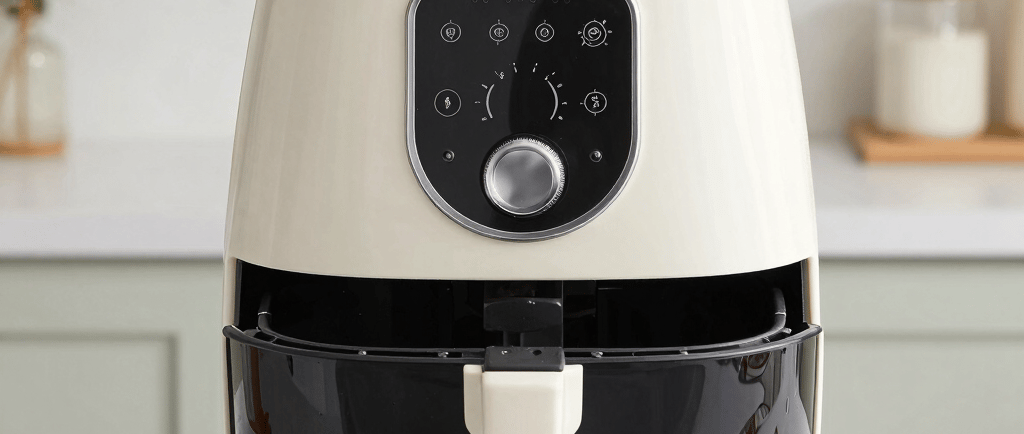
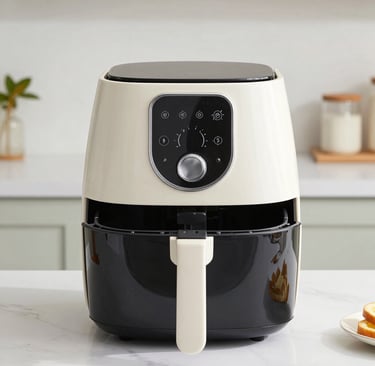
Best Non-Toxic Air Fryers (PFAS-Free & Safer Options)
Air fryers have become a staple in so many kitchens — and honestly, we get the hype. They’re quick, convenient, and can make meals feel easier on busy days.
But if you’re trying to create a lower-tox kitchen, you may have started wondering:
Are air fryers non-toxic?
And more importantly… what should you actually look for in a safer air fryer?
The truth is, many conventional air fryers use nonstick coatings that may contain PFAS, PTFE, or other materials some people prefer to avoid — especially at high heat. Research and consumer concern around “forever chemicals” has increased significantly in recent years.
The good news? There are better options available.
In this guide, we’re breaking down:
what makes an air fryer “non-toxic”
materials we personally prefer
what to avoid
and some of the best non-toxic air fryer options worth considering.
As always, this is about informed choices — not perfection.
Disclosure:
This article is for informational and educational purposes only and is not intended as medical advice. Always do your own research and consult a qualified healthcare professional regarding any health concerns or decisions. This post may contain affiliate links, which means we may earn a small commission if you purchase through our links — at no extra cost to you. We only share products we genuinely believe may be helpful for a lower-tox lifestyle. As an Amazon affiliate, I earn on qualifying purchases.
What Makes an Air Fryer “Non-Toxic”?
When people talk about a “non-toxic” air fryer, they’re usually referring to the materials that come into contact with food during high-heat cooking.
The biggest concerns are typically:
PFAS/PFOA/PTFE nonstick coatings
scratched or degrading cooking surfaces
plastic components exposed to heat
poor material transparency from brands
Many traditional air fryers use nonstick baskets coated with PTFE-based materials (commonly associated with Teflon). These materials are “forever chemicals,” also known as PFAS (per- and polyfluoroalkyl substances). Studies on PTFE-coated nonstick cookware have found that when overheated or damaged, PTFE can release gases and chemicals linked to respiratory toxicity, while concerns also remain about associated PFAS chemicals such as PFOA and GenX, which have been connected to potential immune, hormonal, and cancer-related health risks.
Safer Materials To Look For
In general, lower-tox air fryer options tend to use:
stainless steel interiors or trays
glass cooking bowls
PFAS-free ceramic coatings
fewer heated plastic components
No appliance is likely to be “perfectly toxin-free,” but choosing simpler, more transparent materials can help reduce potential concerns.
Materials I Personally Prefer
Stainless Steel
Stainless steel is one of the most durable and straightforward materials for kitchen appliances.
Pros:
no traditional nonstick coating
durable
easy to clean
less concern about coating degradation
Potential downside:
food may stick more easily
some models still contain coated accessories, so always check the full product details. Sometimes you can replace the accessories with non-coated options.
Glass Bowl Air Fryers
Glass air fryers have become increasingly popular in low-tox communities because they reduce direct contact with coated cooking baskets.
Pros:
no coated basket surface
easy visibility while cooking
generally simple materials
Potential downside:
can be heavier
not all glass models cook as evenly
some still contain plastic or coated accessories
Reddit discussions around non-toxic kitchen appliances often mention glass air fryers as a preferred option for people wanting to minimize nonstick exposure.
PFAS-Free Ceramic Coatings
Some newer air fryers now advertise PFAS-free ceramic-coated baskets instead of traditional nonstick coatings.
These may be a good middle-ground option for people who still want:
easy cleanup
nonstick convenience
fewer concerns about PFAS
That said, ceramic coatings can still wear down over time, so proper care matters.
What I Personally Avoid
When shopping for an air fryer, I generally try to avoid:
unknown nonstick coatings
vague “proprietary” materials
heavily scratched baskets
strong chemical smells during use
brands with little material transparency
If a basket becomes chipped, peeling, or scratched, it’s probably time to replace it.
Best Non-Toxic Air Fryers To Consider
1. Glass Bowl Air Fryers
These are often one of the most popular choices in lower-tox communities because they minimize coated food-contact surfaces.
Good for:
people wanting less nonstick exposure
visibility while cooking
simple materials
Ninja Crispi 4-in-1 Glass Air Fryer
2. Stainless Steel Air Fryer Ovens
Air fryer toaster oven combos with stainless interiors are another great option.
Many people prefer these because they:
avoid traditional basket coatings
fit larger meals
can replace multiple appliances
Some Reddit users specifically mention stainless steel oven-style models as their preferred lower-tox option.
Emeril Lagasse French Door Toaster Oven – 24 Functions – from what I can tell, the accessories may contain a chemical nonstick coating of some sort, though I have not been able to verify. If you would like to replace them, you can do so fairly affordable with an option like these; just double check dimensions to ensure the proper size.
Midea 10-in-1 Toaster Oven – as above, it seems the accessories may contain a coating. From what I can tell, this brand may offer the appropriate size accessories to replace them. Just double check dimensions to ensure the proper fit!
3. PFAS-Free Ceramic Air Fryers
Several newer brands now market PFAS-free ceramic interiors or baskets.
These can be a more accessible option for people who:
want easy cleanup
still prefer a basket-style air fryer
are looking for a balance between convenience and material awareness
If I was buying a ceramic option:
Wonder Oven – stainless steel interior with a third party tested, ceramic baking tray (removable)
A Few Realistic Notes About “Non-Toxic” Appliances
I always try to approach non-toxic living from a balanced perspective.
Unfortunately, there’s rarely a perfect appliance with zero tradeoffs. Even many “non-toxic” air fryers may still contain:
silicone components
wiring materials
exterior plastics
small coated accessories
For most people, the goal is simply reducing unnecessary exposures where it feels reasonable and sustainable — not stressing over every single detail.
Progress matters more than perfection.
Tips For Using Your Air Fryer More Safely
A few practical tips:
avoid burning food at excessively high temperatures
avoid overheating empty baskets
replace scratched or peeling trays
avoid metal utensils on coated surfaces
clean gently to preserve coatings
choose brands with transparent material information
Research also suggests overcooking starchy foods at very high temperatures may increase acrylamide formation, so aiming for “golden” instead of heavily charred is generally recommended, as is soaking things like potatoes ahead of time.2
Final Thoughts
If you’re looking for the best non-toxic air fryer, Id personally focus less on marketing buzzwords and more on:
material transparency
stainless steel or glass options
PFAS-free surfaces
durability
and realistic long-term use.
There’s no perfect appliance — but there are better choices available.
And remember: your home does not need to be perfectly “toxin-free” to support your health and wellbeing.
Small swaps add up.